
Using AI to Predict Design Trends
Design trends evolve at a blistering pace, especially in web design. On multi-month projects, you might work on a cutting-edge design after the kick-o
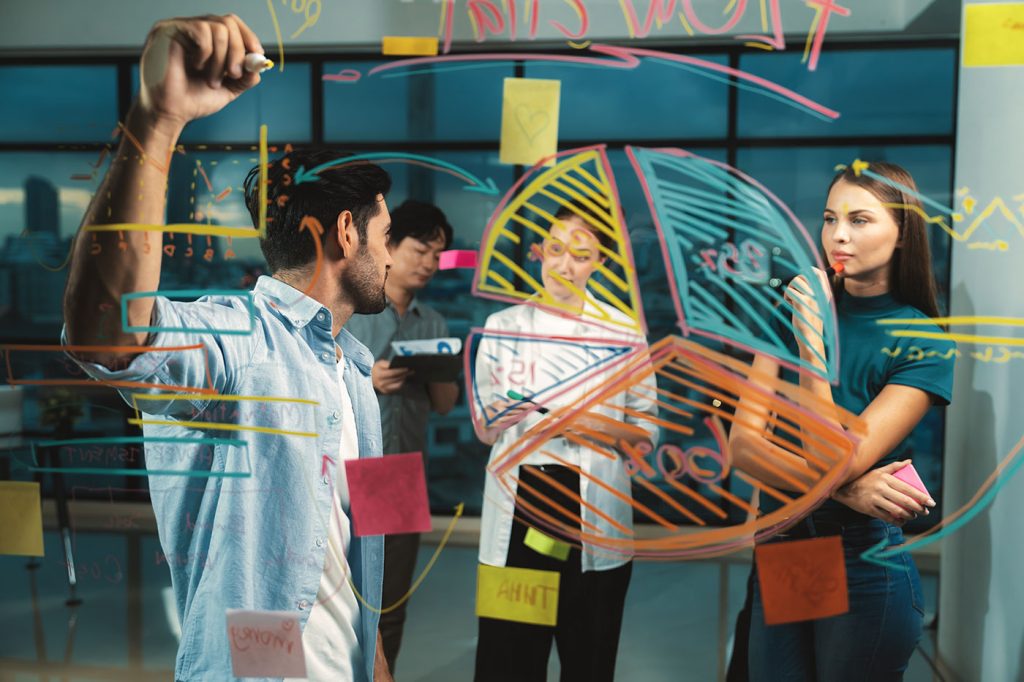
Let’s be honest: the designer-developer handoff was never really “working”—at best, it limped along with annotated PDFs and passive-aggressive Figma comments.
At worst, it bred siloed teams, bloated timelines, and a whole lot of mutual eye-rolling.
But in 2025, after a decade of Figma, a thousand design system evangelists, and an ocean of bridging tools, you’d think we’d be past this.
We’re not.
In fact, we may have simply made the mess prettier. The files are shinier, the specs are auto-generated, and the Slack channels are full of smiley emojis—but the core problem persists:
Designers and developers still speak different languages. And worse, they’re often solving different problems.
The very term handoff is misleading. It implies a baton pass, a clean break, like a relay race. But in modern product teams, there is no clean break. Products are living organisms. Interfaces shift with new data, APIs evolve, priorities pivot mid-sprint.
A static file—no matter how high-fidelity—is a dead document the second it’s “handed off.”
And yet, we treat design files like they’re the source of truth. Spoiler: they’re not. The truth lives in production code, and production code rarely matches the mockup exactly.
Figma specs? CSS export plugins? Zeplin, Avocode, whatever tool of the week? They all offer an illusion of accuracy—as if every 4px radius and semi-bold label must be preserved like sacred scripture.
But developers don’t code specs—they code behaviors. Logic. State. Responsiveness. Data flows. A perfectly redlined button means nothing when the user state changes mid-interaction and the component breaks.
And designers? Designers are often blind to the actual constraints of the system. Or worse—the file works beautifully on a MacBook Pro at 1x zoom, but completely collapses on an iPhone Mini or lags on a low-end Android.
The result? Passive-aggressive bug tickets, followed by “Umm, that’s not what I designed,” followed by “Well, that’s how the component works.”
Design systems were supposed to be the Rosetta Stone. Shared tokens. Shared language. Shared libraries.
And yes, they help—when they’re implemented well. But let’s be real: most orgs have Frankenstein systems stitched together by whichever designer or dev cared the most… until they left.
Tokens drift. Components get forked. A design system becomes just another file no one updates, or a locked-down fortress only one engineer can edit without breaking staging.
Designers are still asking: “Can I just override this component?”
Developers are still muttering: “Why did they detach everything from the library?”
Let’s dig deeper. Tools are surface-level. The real gap is cultural.
Designers want it to feel right. Developers want it to work right. Neither is wrong—but they’re often solving for different definitions of “done.”
When devs say, “That’s too hard to build,” they’re not being lazy. They’re managing a dozen unseen constraints.
When designers say, “But that ruins the UX,” they’re not being dramatic. They’re advocating for flow, clarity, human needs.
The missing link isn’t another plugin—it’s co-design, co-dev, and shared ownership.
There’s a reason hybrid roles like UX engineer, design technologist, or front-end designer are on the rise. These folks live in the messy middle, where component logic meets layout harmony.
They can speak design and code. They know when to fight for motion curves—and when to just use the system default. They translate nuance before it becomes conflict.
But here’s the catch: these unicorns are rare, expensive, and overbooked. Most companies have one—maybe—and they’re stretched across five projects.
Let’s stop pretending handoff can be “fixed” with a better workflow. The real issue is how we structure teams.
We still act like design and dev are different worlds, throwing specs over the wall and hoping for pixel-perfect compliance. That’s waterfall thinking in agile clothes.
In high-performing teams, there is no handoff. There’s collaboration from day zero:
When both sides collaborate continuously, there’s nothing to “hand off.”
Now, let’s talk about the elephant in the room: AI.
Sure, AI can generate layouts, export components, turn sketches into working UIs. But guess what? AI doesn’t understand brand voice. It doesn’t get human nuance.
It can’t tell you if that animation builds trust or feels annoying. It doesn’t know your dev team’s quirks, your tech stack limitations, or your user’s mental model.
AI may reduce grunt work—but if the fundamentals of collaboration are broken, AI will just automate the miscommunication faster.
Let’s stop patching the broken handoff with bandaids and buzzwords. Here’s what needs to shift:
The goal isn’t a better bridge—it’s no bridge at all. Integrated teams. Shared language. Mutual respect.
The future of product design isn’t siloed files or exported code. It’s cross-functional craft, where designer and developer are co-authors of the experience—not two links in a broken chain.
And until we build that, no plugin will save us.
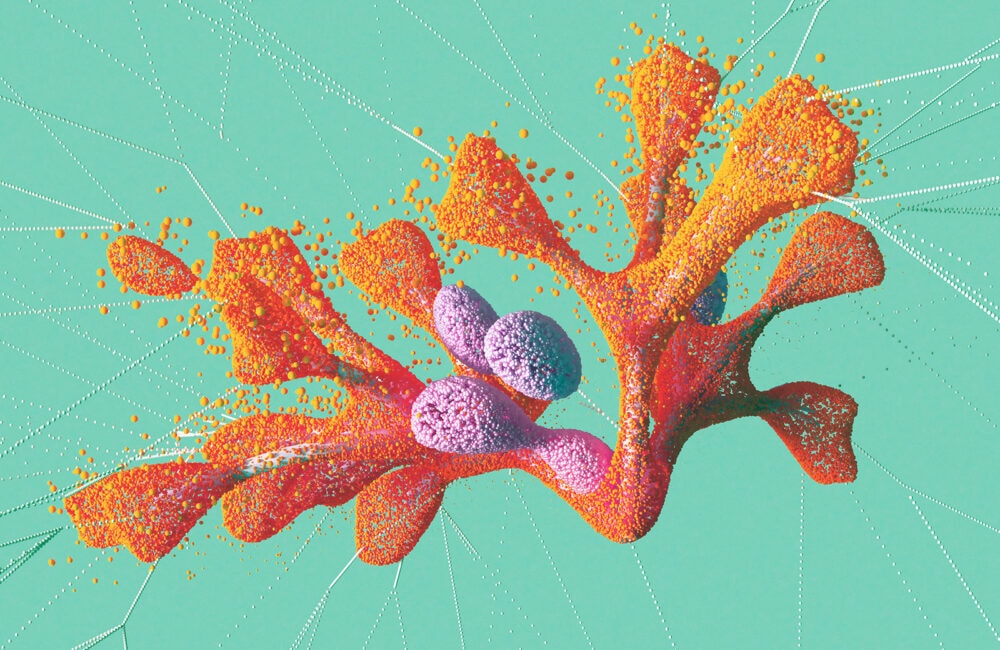
Design trends evolve at a blistering pace, especially in web design. On multi-month projects, you might work on a cutting-edge design after the kick-o

Microsoft Paint is the poster child of a time forgotten. It’s been a standard app on Microsoft PCs for even longer than you think—38 years, to be prec
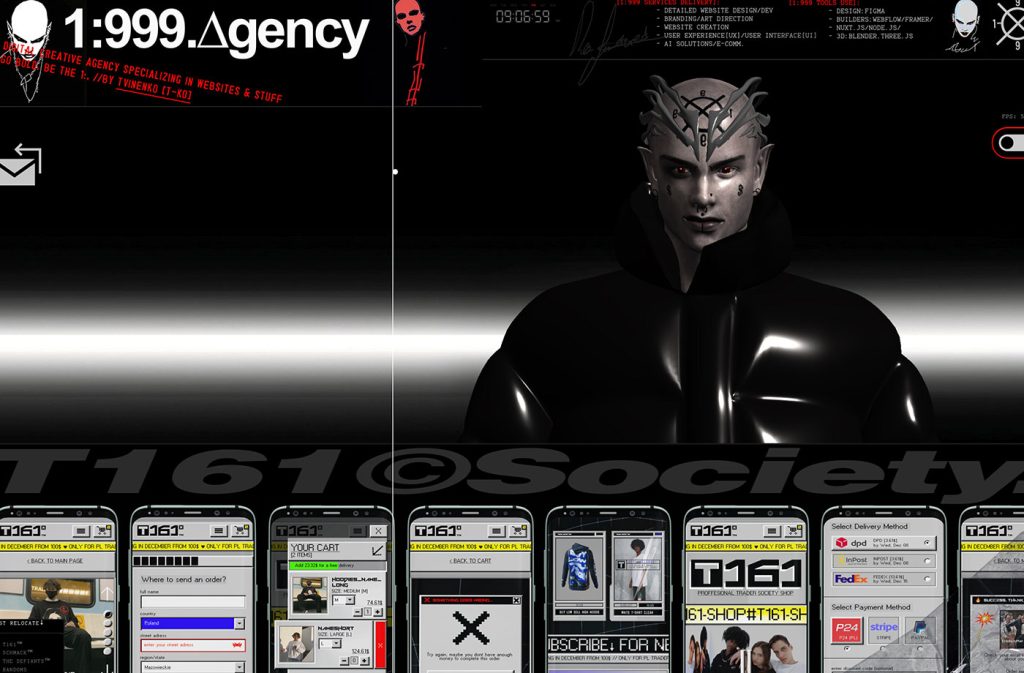
The web is drowning in beauty. Or at least, what passes for beauty these days — polished gradients, 8px border radii, hero sections that look like the
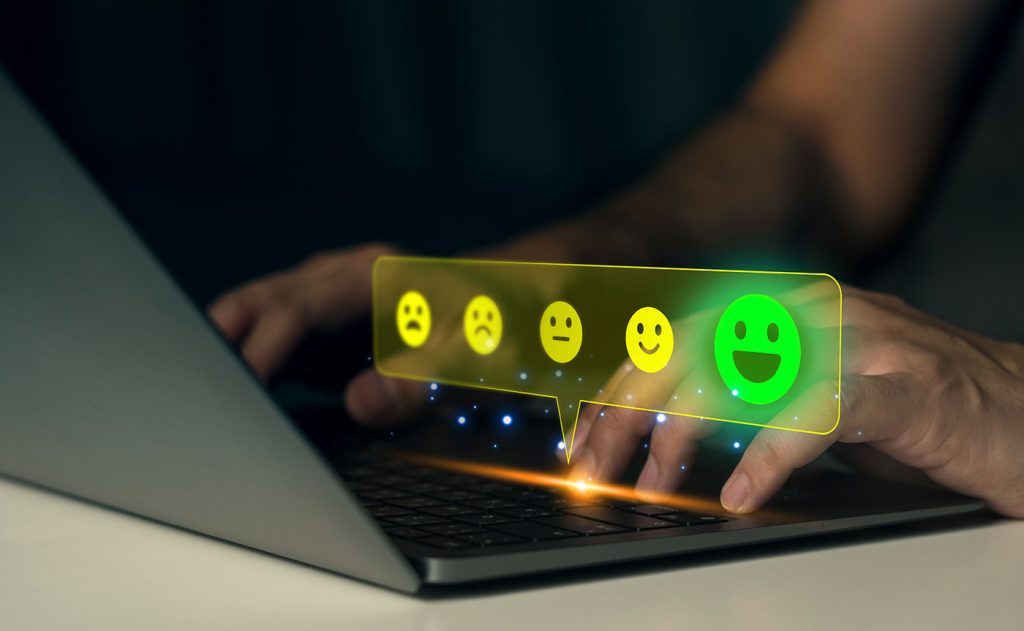
Let’s talk about the ancient art of the thumbs-up and thumbs-down — once the sacred, clumsy handshake between user and algorithm.In the early days of

Let’s talk about something that’s been bubbling under the surface of tech conversations lately: AI agents.Now, I know—just reading the phrase “AI agen
We’ve all been inundated with reports on the power of generative AI recently. Text-to-image generators like Midjourney, Adobe Firefly, and GPT-4 are a
We are an information hub dedicated to delivering clear, trustworthy, and engaging content across a wide spectrum of topics — from innovation and trends to daily life, wellness, and global developments.
Our team is passionate about creating content that helps people stay curious, make informed decisions, and understand the world with greater clarity and context.
With a focus on quality, relevance, and accessibility, we aim to offer a meaningful experience for everyone seeking knowledge, ideas, and thoughtful perspectives.