
Why AI & Automation Are Actually Friends to Design
Artificial intelligence. Just hearing the phrase has been a trigger for many in the technology world since that creepy Haley Joel Osment film circa 20

There’s a special kind of web designer out there. You won’t always spot them in the wild because they’re usually busy fixing something someone else forgot to do. Or weren’t hired to do. Or said “wasn’t their job.”
I’m talking about the generalist. The all-in-one, multi-tab-having, too-many-Slack-channels hero who makes the modern internet work—and often gets zero credit for it.
You know who you are. You design the site. You build it. You write the copy when no one else steps up. You wrestle with the CMS. You Google why Safari is broken again. You promise yourself you’ll never do another DNS migration… as you’re doing another DNS migration.
You are the generalist. You’re not just wearing many hats. You’re basically the milliner.
And while the rest of the industry debates design tokens vs. component libraries, you’re over here resizing the client’s JPEG logo for the third time because someone thought a 32×32 image would print well on a billboard.
There’s this mythology in tech that the future belongs to specialists. Focused, precise experts who do one thing really well. Respect. Truly.
But if you’ve ever worked at a startup, agency, or anywhere the budget is slightly smaller than the dream—specialists don’t ship products. Generalists do.
Generalists are the ones duct-taping the launch together while also rewriting a critical user flow because the client decided they hate blue now.
It’s not glamorous. It’s not scalable. But it’s how 90% of the web gets made.
Being a generalist means your job description looks like a kitchen sink got into a bar fight with LinkedIn.
“Web Designer / UX Researcher / Front-End Dev / Copywriter / Accessibility Advocate / Low-Code Tinkerer / Brand Whisperer.”
That’s not a résumé. That’s a cry for coffee.
And yet, when something breaks at 10pm—you get the call. Because unlike everyone else, you probably know how it works. Or at least, how to pretend you do long enough to fix it.
Look, being a generalist is messy. On any given day, you’re bouncing between Figma, VSCode, Notion, Chrome DevTools, and a client call where someone says the words “make it pop.”
You don’t have the luxury of handoff meetings and clean boundaries. You are the meeting. You are the boundary.
You’ve built MVPs with no team. Designed brand systems with no brief. Shipped products with no roadmap. You’ve learned the tools, adapted to the chaos, and still somehow kept it together.
Well. Mostly.
Here’s the honest truth: when a project is on fire, no one looks for a rockstar product designer or a pixel-perfect developer. They look for you—the generalist.
You’re the firefighter. The fixer. The person who can jump into any part of the stack (or brand) and make progress.
You might not be the best at any one thing. But you’re scary good at a lot of things. And in an industry obsessed with specialization, that’s your superpower.
Here’s where it gets interesting. AI is coming for the specialists. Image generators, code writers, layout tools—they’re slicing up the narrowly defined roles.
But generalists? You’re still safe. Why? Because your job isn’t just pressing buttons. It’s making judgments across disciplines. It’s context-switching with grace. It’s seeing the whole picture—and knowing which part is about to fall apart.
AI can give you options. It can suggest. It can generate. But it can’t decide what the right move is across design, code, branding, tone, timing, platform, and budget.
Yet.
So keep using the tools. Just remember: you’re still the one piloting the ship.
Being a generalist can feel like a curse. You’re spread thin. You’re often invisible. You rarely get the praise specialists get for “crushing” that one pixel-perfect animation.
But the truth is, you are the reason things ship. You are the connective tissue between roles. You’re the one who understands enough of everything to actually build something.
So own it. Be proud of the weirdness. The range. The ability to do ten things decently when most people can barely do one without Googling it.
You’re not a jack of all trades. You’re the Swiss Army Knife of Web Design—and in a world of single-use tools, that’s exactly what we need.
Want a career path? You probably already designed it, built it, launched it, and A/B tested it in your sleep.
And no, you don’t just “do websites.” You do the web. Period.

Artificial intelligence. Just hearing the phrase has been a trigger for many in the technology world since that creepy Haley Joel Osment film circa 20

Every great product starts like a love story. You fall for it fast. It’s clean. It’s simple. It just gets you. The buttons are where you expect, the f

There’s no escaping it: if you want to be successful, you need to be productive. The more you work, the more you progress, which for many people means
AI Writing Software uses artificial intelligence to write articles, blog posts, and other content in your voice. The goal is to provide a tool that wi
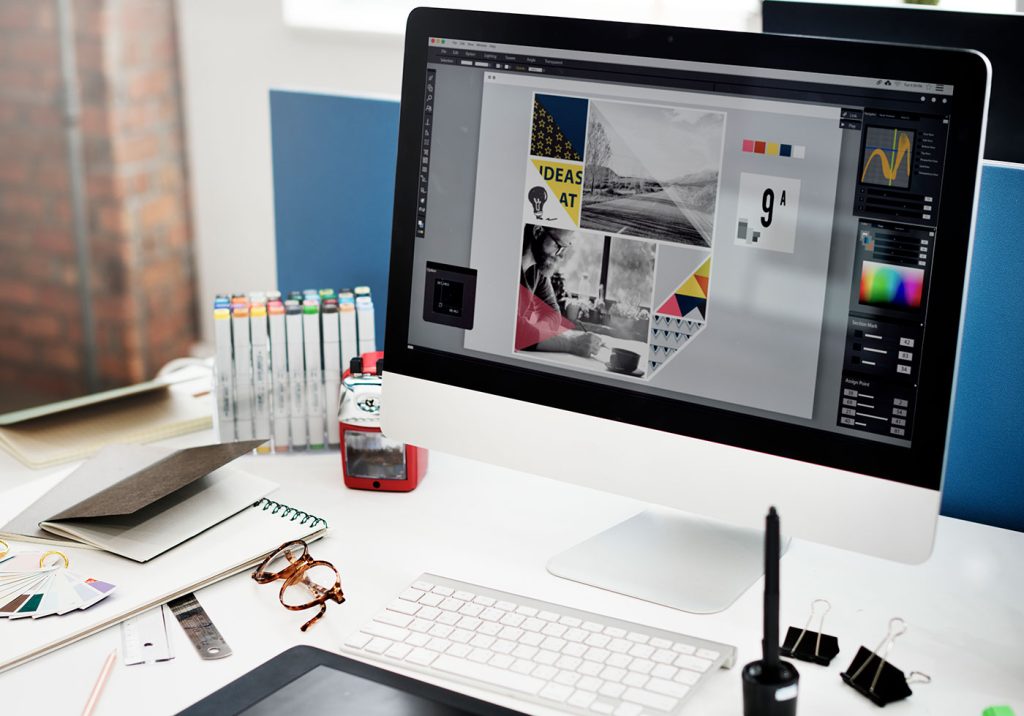
Web design has always been haunted by its graphic design roots. In the early days, we didn’t know what we were doing, so we stole shamelessly from pri

Let’s admit something: we’re still doing too much work inside Gmail.Even in 2025, most of us are reading, responding, forwarding, snoozing, labeling,
We are an information hub dedicated to delivering clear, trustworthy, and engaging content across a wide spectrum of topics — from innovation and trends to daily life, wellness, and global developments.
Our team is passionate about creating content that helps people stay curious, make informed decisions, and understand the world with greater clarity and context.
With a focus on quality, relevance, and accessibility, we aim to offer a meaningful experience for everyone seeking knowledge, ideas, and thoughtful perspectives.