
Eye vs AI: Harnessing Technology to Successfully Track User Attention
Attention is the new gold; brands are in a constant competition for our attention.A big portion of our time we spend online, where we are bombarded wi

Let’s admit something: we’re still doing too much work inside Gmail.
Even in 2025, most of us are reading, responding, forwarding, snoozing, labeling, and generally wrestling with our inbox like it’s a pile of unsorted laundry.
Sure, Gmail has AI now—there’s Smart Compose, auto-categorization, even summaries—but the experience still feels like Gmail is helping you manage email, not handling it for you.
And that’s the shift we need.
The real evolution of Gmail isn’t smarter suggestions. It’s a system that understands context so well that emails begin to write themselves—and not in a gimmicky “Dear John, I hope this email finds you well” kind of way.
I’m talking about email that’s aware of what you’re doing, what you’ve said, what you want to say, and how you usually say it. Fully contextual, fully personal, and almost completely automatic.
Because here’s the truth: most email doesn’t need our creativity. It needs our intent. The AI can handle the phrasing.
Imagine this: you finish a Zoom call, and by the time you open Gmail, a follow-up email is already waiting in your drafts. It’s polite, it summarizes the conversation accurately, it links the document you promised to send, and it even adds a “let me know if you need anything else” in your usual tone. All you did was have the meeting. Gmail took care of the next step.
Or maybe a client emails you with a vague ask. Instead of you trying to decode it, Gmail breaks down the request, drafts a clarifying question in your tone, and highlights what needs your input before it goes out. You don’t get a blank box—you get a launchpad.
Even simpler: someone sends you a calendar invite. Gmail checks your availability, looks at how often you’ve met with that person, notices that you usually prefer afternoons, and suggests a polite decline with an alternate time. Not canned. Not robotic. Just… handled.
We don’t need AI to help us send better emails. We need it to know when we don’t need to send them at all.
Say a client is waiting for a report. Instead of you remembering to follow up, Gmail sees the task in your project management tool, notices the delay, and sends a gentle update on your behalf—”Still on track, just finalizing numbers, I’ll follow up by Friday.” You didn’t even touch your keyboard.
In the background, Gmail should be tracking threads where people haven’t responded yet. It should remind you when a proposal is going stale. It should auto-close conversations that have ended and offer to summarize them before archiving.
Email should not be a graveyard of to-do items. It should be alive, organized, and proactive.
This isn’t just automation. It’s communication with memory and foresight.
And it doesn’t stop at writing. Gmail should be able to rewrite. If your tone is off, too formal, too aggressive, too apologetic, it should quietly offer a version that sounds more like you—or more like how you’d want to sound if you weren’t rushing between meetings.
Your inbox shouldn’t just be smart. It should be emotionally intelligent.
The point isn’t to turn email into a chatbot. It’s to make sure your inbox understands your goals. Gmail shouldn’t just be a place to manage communication. It should be your co-pilot in how you build and maintain relationships.
Because let’s be real: most of us aren’t avoiding email because we’re lazy. We’re avoiding it because it’s overwhelming, constant, and never-ending. If Gmail truly wants to evolve, it needs to relieve us of the burden, not just reorganize the chaos.
So no, the future of Gmail isn’t more tabs or smarter filters or yet another sidebar.
The future is this: you don’t write emails. They write themselves. You just approve, edit if needed, and move on. And if it’s something Gmail knows how you’d reply to—something you’ve said ten times before in slightly different ways—it sends it for you.
Quietly. Accurately. Effortlessly.
And maybe, just maybe, for the first time in twenty years, email becomes a tool that gives us time back instead of taking it away.
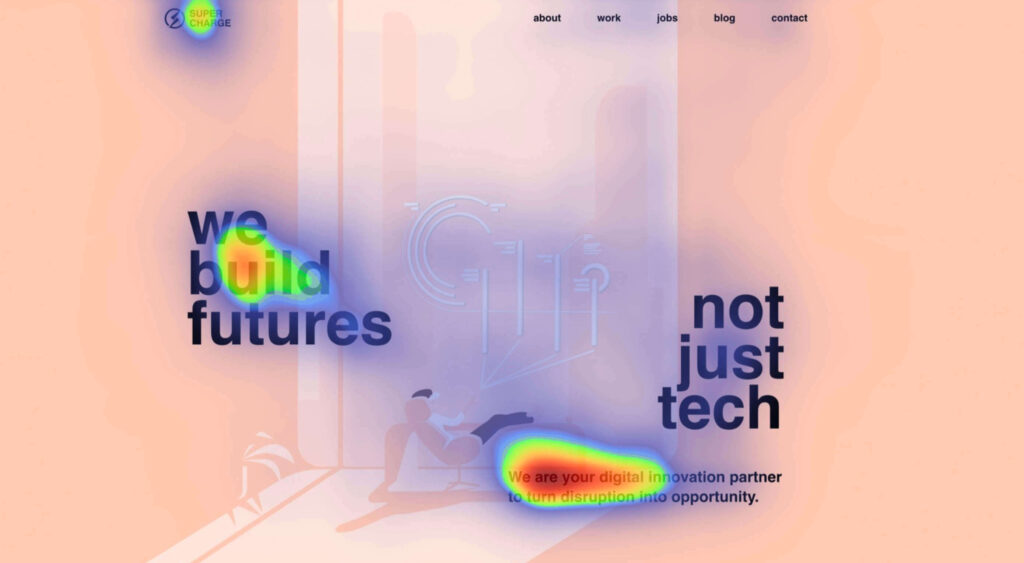
Attention is the new gold; brands are in a constant competition for our attention.A big portion of our time we spend online, where we are bombarded wi
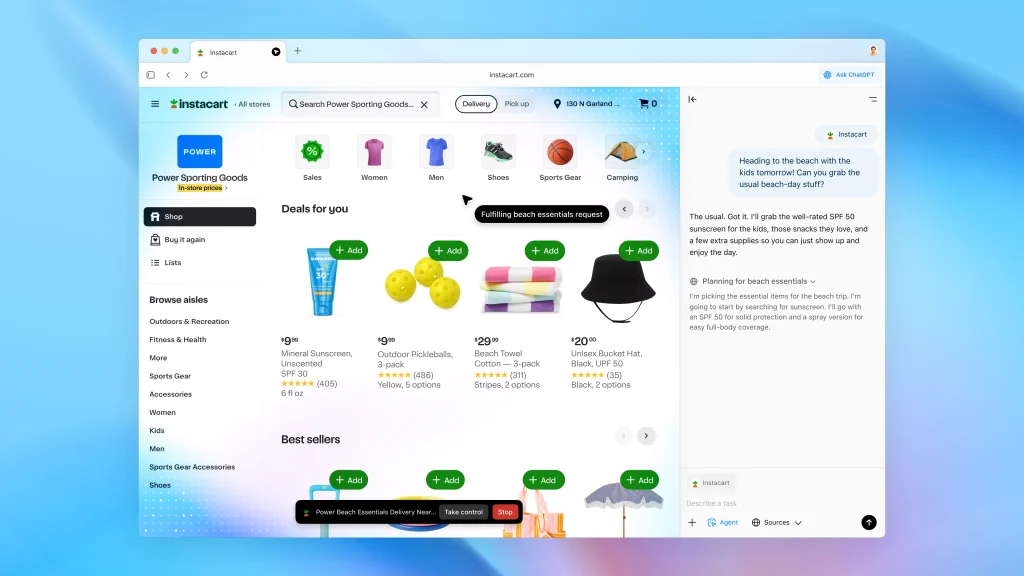
There’s a quiet revolution happening in the one piece of software you use every single day but rarely think about—the browser. Chrome, Safari, Firefox

AI can help designers automate repetitive tasks, gain insights into user behavior, and streamline processes in web design. In this article, we will ex

Let’s talk about the AI takeover—at least, the one happening in web design. Everywhere you look, personalization is being pushed as the holy grail of
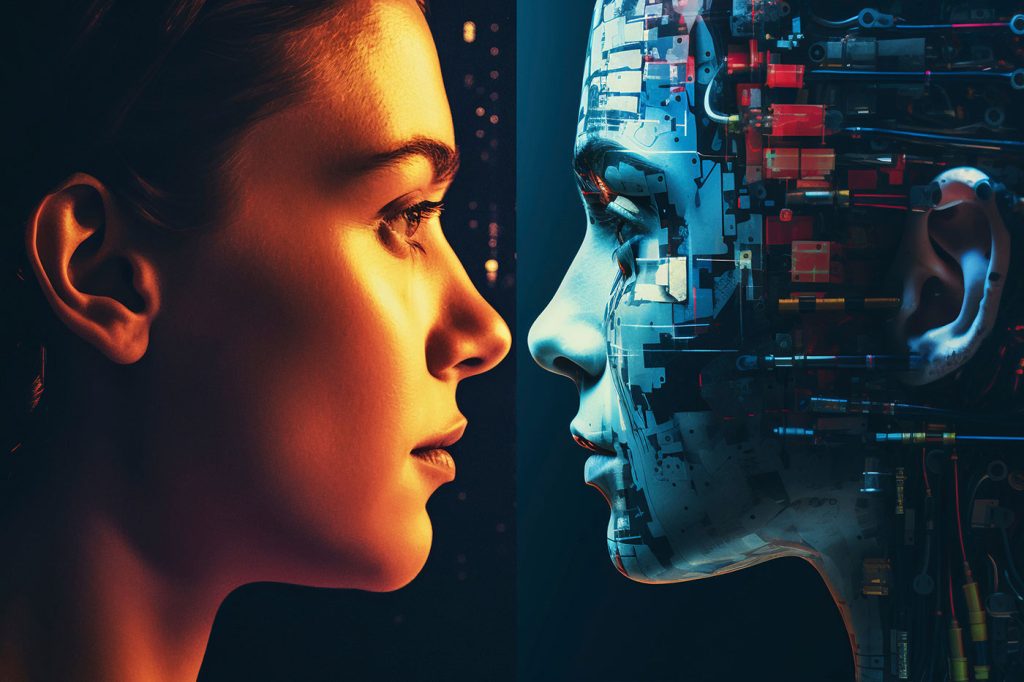
Let’s get one uncomfortable truth out of the way: web design is no longer about aesthetics, usability, or even user experience. Those noble goals have
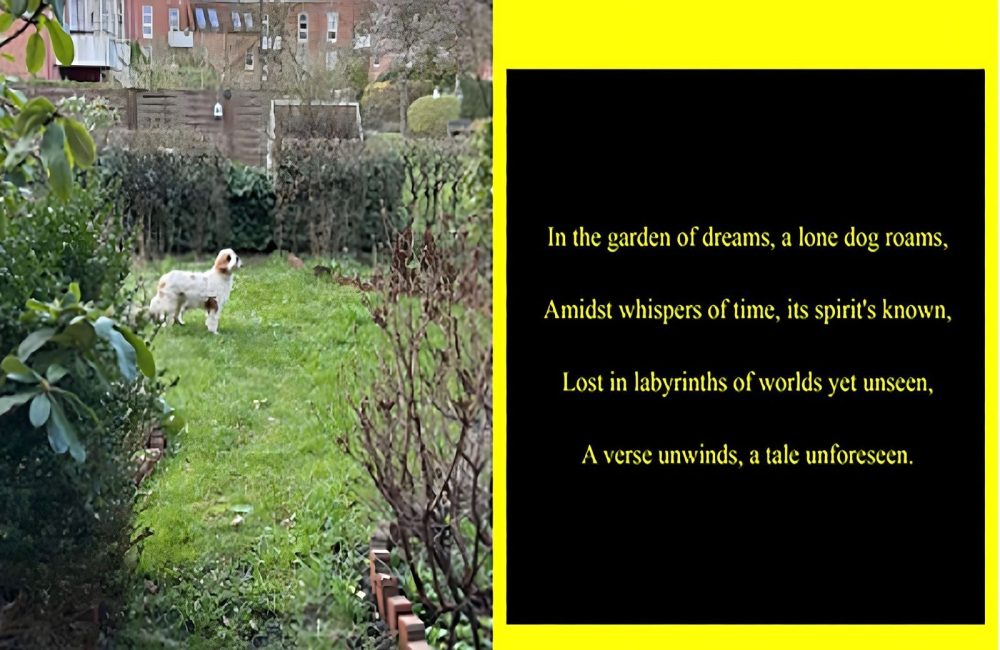
We’ve all been inundated with reports on the power of generative AI recently. Text-to-image generators like Midjourney, Adobe Firefly, and GPT-4 are a
We are an information hub dedicated to delivering clear, trustworthy, and engaging content across a wide spectrum of topics — from innovation and trends to daily life, wellness, and global developments.
Our team is passionate about creating content that helps people stay curious, make informed decisions, and understand the world with greater clarity and context.
With a focus on quality, relevance, and accessibility, we aim to offer a meaningful experience for everyone seeking knowledge, ideas, and thoughtful perspectives.